The difference between creating robots on API and terminal for algorithmic trading in Os Engine.
Briefly on how robots see the world, what types of data are available to them. And also, what is the difference between specialized terminals for algorithmic trading like OsEngine and simple API. For those who have been in the field for a long time, it is obvious, but not so much for beginners.
Topic 1. Data from API.
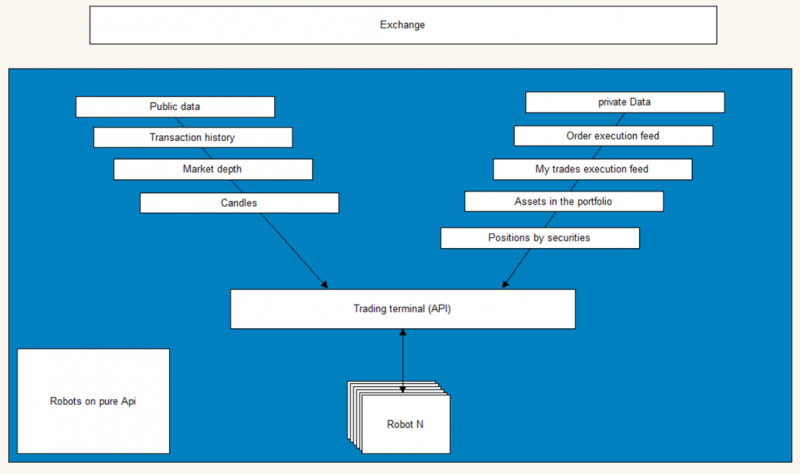 Fig. 1. This is the architecture of creating robots on the API. Robots are made on QLUA and bare APIs like Binance API.
1. What data is this?
a. Public:
a. Transaction feed.
b. Order book snapshots.
c. Candles.
b. Client-specific (Closed):
a. Trades on own account.
b. Order execution details.
c. Portfolio assets. Positions by instrument.
In 90% of cases, nothing more can be obtained from the exchange's API. And this is not enough to make decisions.
Where to get horizontal volumes, indicators, and Renko candles? Right, you need to use a terminal for algorithmic trading!
Topic 2. Data transformation by the trading platform for the algo trader.
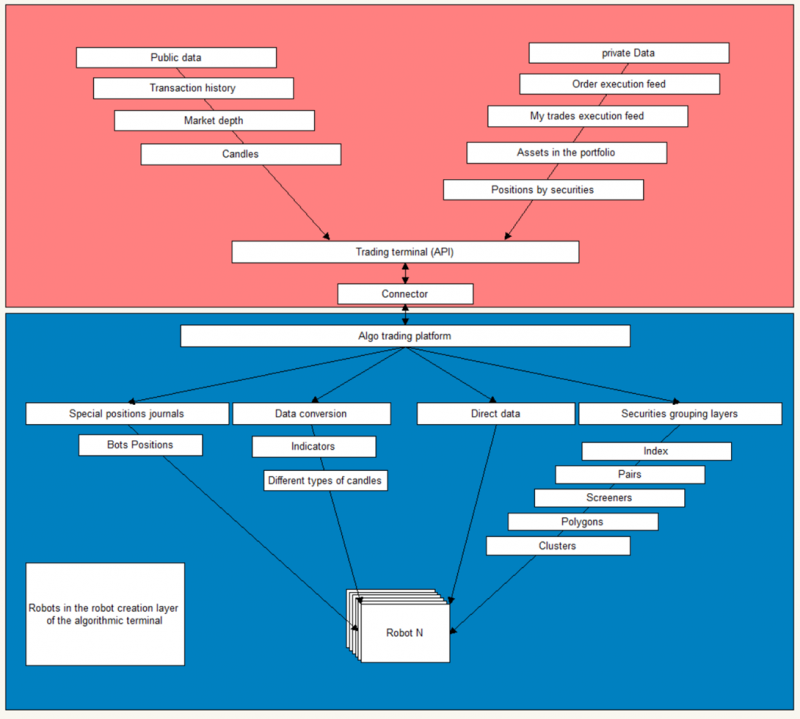 Fig. 2. With OsEngine, we expand the amount of data that the robot can see. We untie his hands.
1. The algo terminal expands the possibilities for robots.
a. Special journals
a. Difference between position on the exchange and position of the robot.
b. Transformation of incoming data.
a. Indicators.
b. Horizontal volumes.
c. Special layers for grouping instruments.
a. Clusters.
b. Indexes.
c. Screeners.
d. Pairs.
e. Polygons.
Topic 3. A short list of what can be obtained in OsEngine, which is not in the Binance or Tinkoff API.
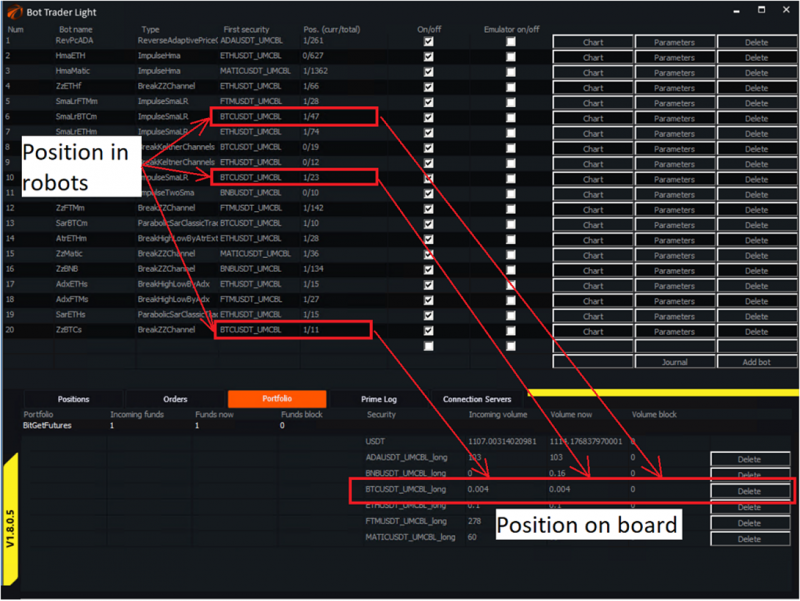 Fig. 3. Special journaling. The ability to trade one instrument with several robots independently.
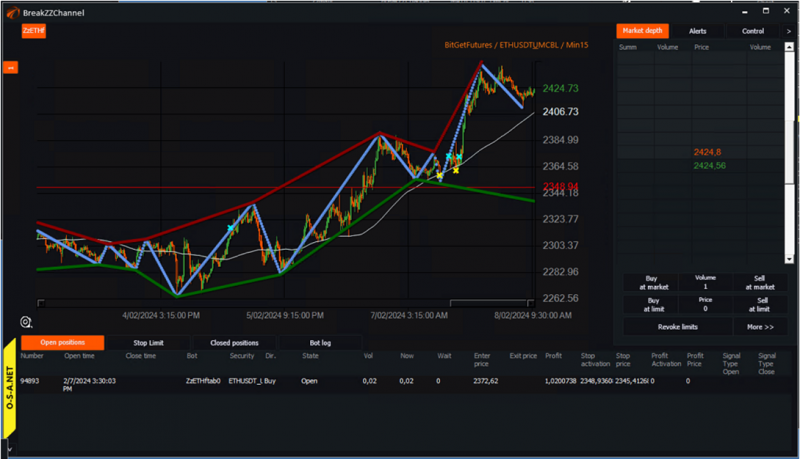 Fig. 4. Special indicators. The ability to create unique indicators with visualization.
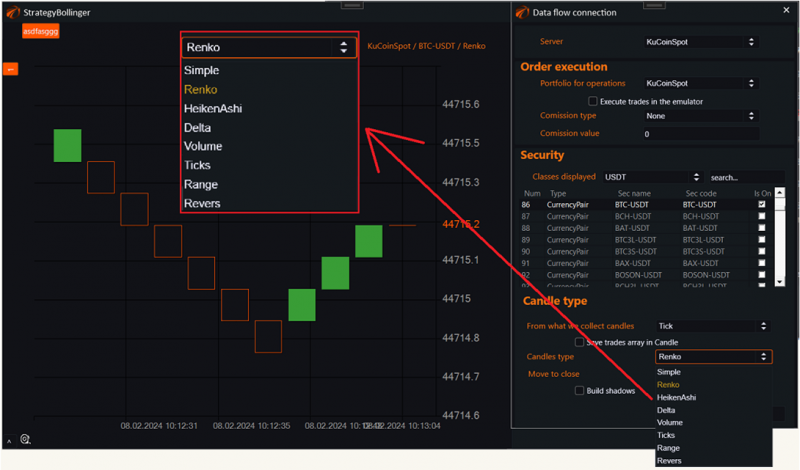 Fig. 5. Unique types of candles, not available in 95% of APIs.
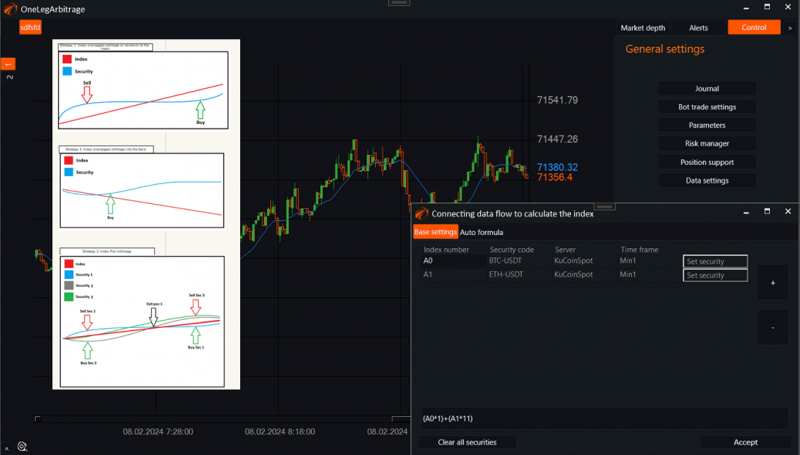 Fig. 6. Auto-assembled indices, sectoral and geographical with different types of weighting.
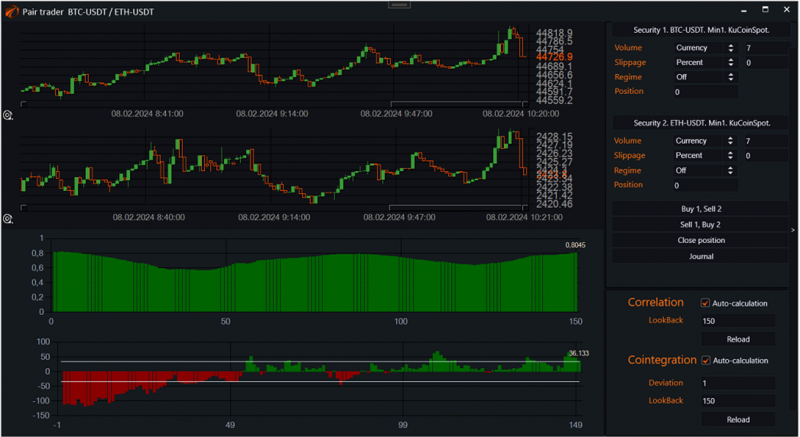 Fig. 7. Special layer for pair trading in 50 lines of code.
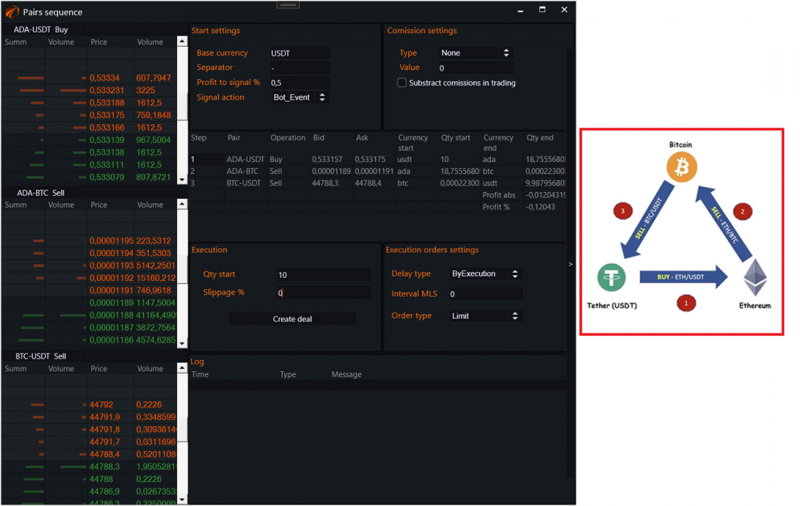 Fig. 8. Special layer for "Triangle Arbitrage".
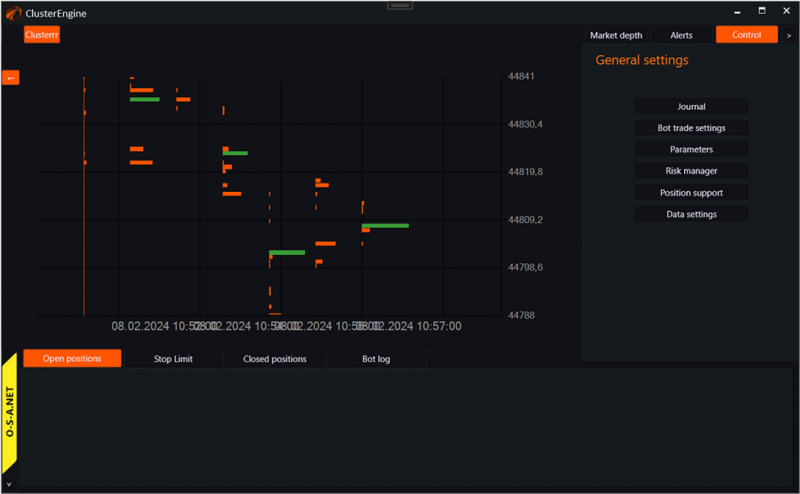 Fig. 9. Special layer for "Clusters" trading.
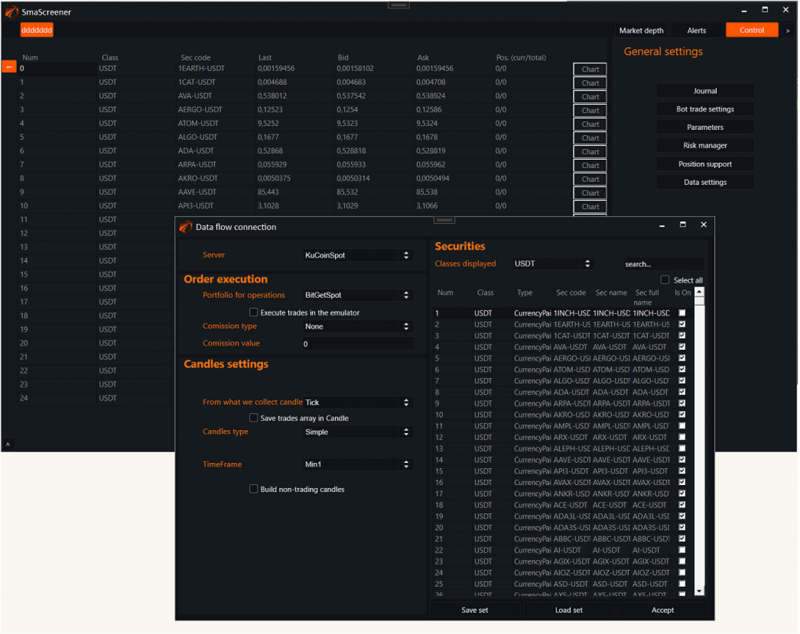 Fig. 10. Special layer for "Screeners", trading hundreds of securities simultaneously in 50 - 100 lines of code, which includes almost everything described above.
Topic 4. In conclusion.
OsEngine gives robots written on it incredible technical superiority compared to what can be done on "bare API". Add to this the ability to test and optimize algorithms. And we get that 99% of algo traders benefit from trading through algo platforms rather than bare APIs. 1% we leave to those who need ultra-fast speed, they may be the only ones who need to make their own connections. For everyone else, it is more profitable and faster to write robots in specialized terminals.
Successful algorithms!